
A community garden is a communal space where community members work together to grow vegetables, fruits, herbs, or flowers, promoting food security, environmental sustainability, and social cooperation. Instead of farming alone, community members work as a group to plant, maintain, and harvest crops. These gardens are commonly managed by women, youth, schools, churches, and community groups.
Community gardens are very important in Ghana because many families struggle with high food prices, unemployment, and the effects of climate change. Through community gardens, households can access fresh vegetables and fruits such as tomatoes, okra, peppers, garden eggs, kontomire, pawpaw and many more fruits and vegetables. This improves nutrition and food security, especially for children and vulnerable people.
Community gardens also help communities adapt to climate change. Farmers are trained to use simple climate-smart practices like mulching, composting, rainwater harvesting, and growing drought-resistant crops. These methods protect the soil, save water, and increase harvests even when rainfall is poor.
In addition, community gardens provide income opportunities. Surplus produce can be sold in local markets, helping women and youth earn money to support their families. Some groups also process crops into dried vegetables or local foods for extra income.
Beyond food and income, community gardens strengthen community unity. People learn from one another, share responsibilities, and work together for a common goal. They also promote environmental protection by encouraging organic farming, tree planting, and proper waste management.
Key Features of a Community Garden
Social benefits: Builds cooperation, skills, and community unity
Food production: Provides fresh, affordable, and nutritious food
Environmental benefits: Improves soil health, biodiversity, and green spaces
Social benefits: Builds cooperation, skills, and community unity
Education: Teaches sustainable agriculture and environmental awareness
Managed and maintained by community members
Used for growing food crops, medicinal plants, or ornamental plants
Encourages teamwork and shared responsibility
Often supported by NGOs, local authorities, or schools
Benefits of community gardens
Improves food security and nutrition
Creates income and livelihood opportunities
Promotes environmental conservation
Provides education on sustainable agriculture
Strengthens community unity and social cohesion
Helps communities adapt to climate change
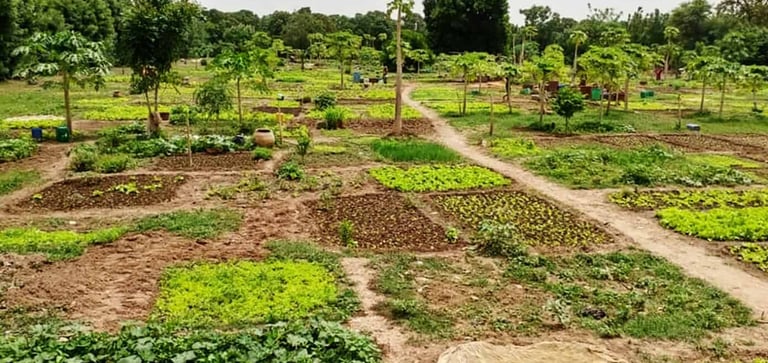
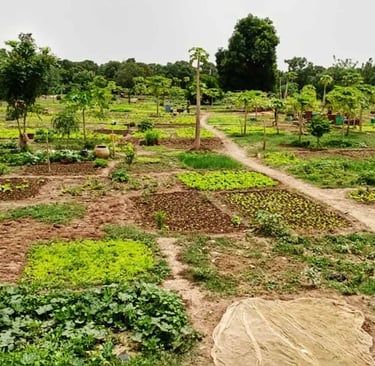
A vibrant community garden project in Oulessebougou, Mali, 2021.
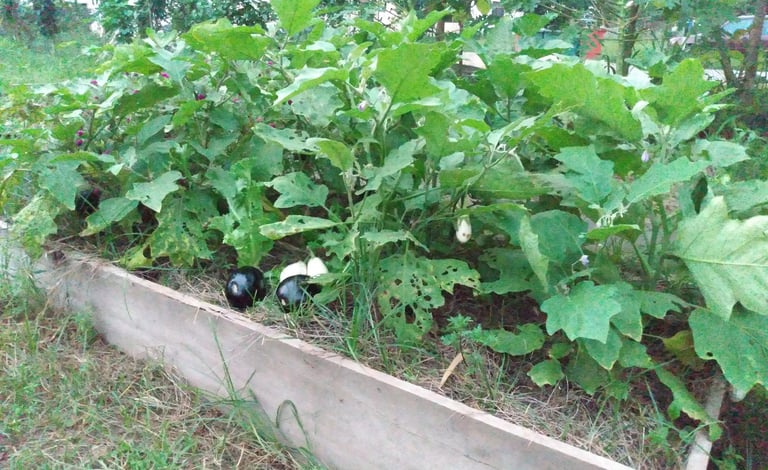
A community garden project in Cape Coast, Ghana. plantation of exotic garden eggs
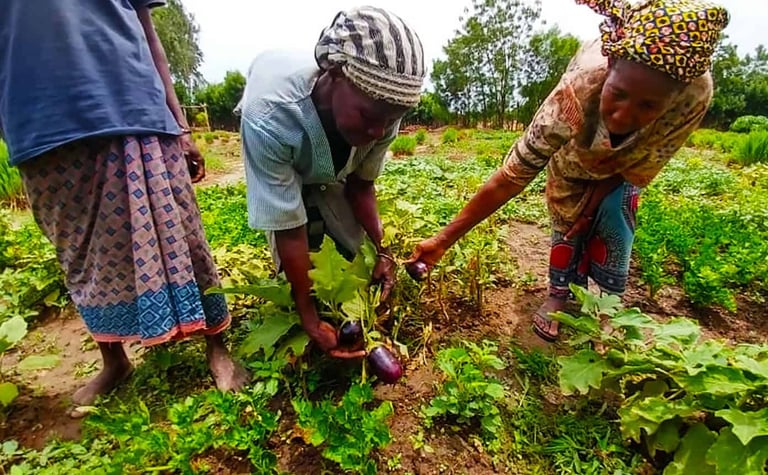
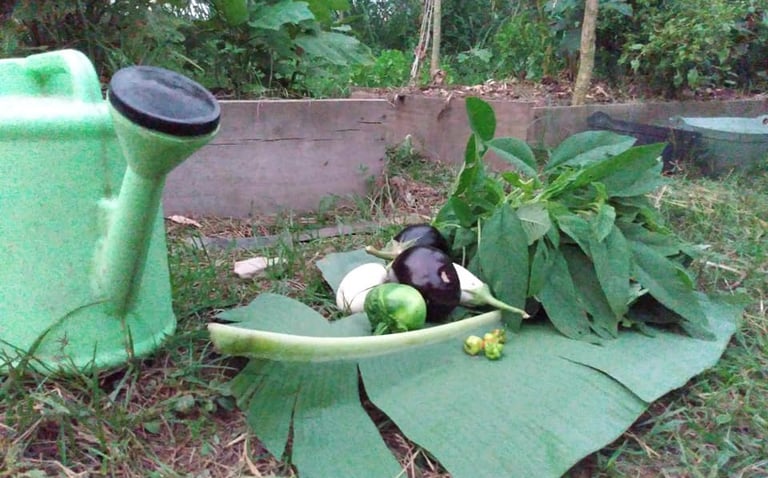
A harvest of a veriety of garden eggs in Cape Coast community garden.
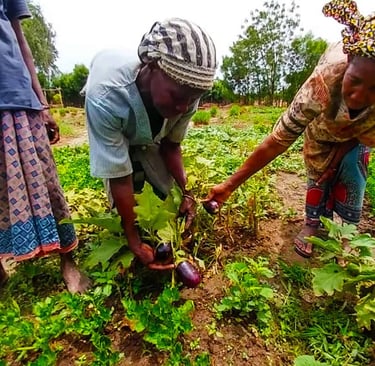
A vibrant community garden members in action in Oulessebougou, Mali, 2021.
Connect
Join us in making a difference.
Follow
Contact
info@millenniumgreencare.com
+233246902198
© 2025. All rights reserved.