Climate change is a broad term used to refer to changes in the Earth’s climates, at local, regional, or global scales, and can also refer to the effects of these changes. In recent decades, the term ‘climate change’ is most often used to describe changes in the Earth’s climate driven primarily by human activity since the pre-Industrial period (c. 1850 onwards), particularly the burning of fossil fuels and removal of forests, resulting in a relatively rapid increase in carbon dioxide concentration in the Earth’s atmosphere.
Permaculture is a system of ecological design as well as a global movement of practitioners, educators, researchers and organizers, bound by three core ethics: care for the earth, care for the people and care for the future. Permaculture integrates knowledge and practices that draw from many disciplines and links them into solutions to meet human needs while ensuring a resilient future. With little funding or institutional support, this movement has spread over the past forty years and now represents projects on every inhabited continent.
Global warming is a term often used interchangeably with climate change, as it is one of the most important measures of global changes. Global warming refers to the rise in average global temperatures, which is linked to significant impacts on humans, wildlife, and ecosystems around the world. Because there are more factors and impacts than only rising surface temperatures, the term climate change is used to include these additional impacts. There is strong consensus among scientists, representing 97% of actively publishing climate scientists, that human influence has been the dominant cause of observed warming trends since the 20th century
Why climate change is such a concern?
Mankind has changed the climate and continues to the change.
average temperatures have increased, and there are more storms, floods, heatwaves and wildfires
sea levels are rising
the effects are cumulative and irreversible with current technology
The scale of harm being done makes continued use of fossil fuels morally indefensible
climate deaths - e.g. each year's CO2 emissions from the UK will result in around 150,000 climate deaths
climate refugees
loss of biodiversity, e.g. coral reef blanching
the more CO2 is added to the atmosphere, the faster sea levels will rise.
Action on climate change is very urgent but has not happened as promised:
in the Paris Agreement, countries made commitments to limit global warming to well under 2°C (usually taken to mean 1.7°C), and to pursue efforts to limit it to 1.5°C
this means rapidly ending the use of fossil fuels, halving global CO2 emissions by 2030
the scientific advice was that these commitments required
"rapid and far-reaching transitions"
throughout society
but governments have not acted in line with the promises given - actions are completely at variance with the speed of change needed.
The climate has continued to deteriorate
the global total of CO2 emissions has continued to rise
in developed countries, emissions are not falling in line with promises made
the global temperature rise (longer term average) reached around
1.3°C in 2024
- and at its current rate will reach 1.5°C in 2030, and 1.7°C in 2036.
extreme weather events are increasing
the risks of catastrophic tipping points are steadily increasing.
Governments cannot be relied on in crucial decisions so citizens must get invloved
governments have a poor record of decision making
the UN Secretary-General has warned: "Some government and business leaders are saying one thing - but doing another. Simply put, they are lying."
despite the global temperature rise being likely to reach the Paris agreed limit of 1.5°C in 2030, governments continue to talk about Net Zero 2050 as if this is an acceptable timescale
climate protesters who are very aware of the situation are very vocal and not deterred by long prison sentences.
Can Permaculture play a vital perspectives and tools to address catastrophic climate change ?
Using an A-frame to find the contours on the land at Maya Mountain Research Farm in Belize.
Human-caused climate change is a crisis of systems—ecosystems and social systems–and must be addressed systemically. No single new technology or blanket solution will solve the problem.
Permaculture employs systems thinking, looking at patterns, relationships and flows, linking solutions together into synergistic strategies that work with nature and fit local conditions, terrain, and cultures.
Efforts to address the climate crisis must be rooted in social, economic, and ecological justice. The barriers to solutions are political and social, not technical, and the impacts of climate change fall most heavily on frontline communities, who have done the least to cause it. Indigenous communities hold worldviews and perspectives that are vitally needed to help us come back into balance with the natural world. We must build and repair relationships across cultures and communities on a basis of respect, and the voices, leadership and needs of frontline and indigenous communities must be given prominence in all efforts to address the problem.
Permaculture ethics direct us to create abundance, share it fairly, and limit overconsumption in order to benefit the whole. Healthy, just, truly democratic communities are a potent antidote to climate change.
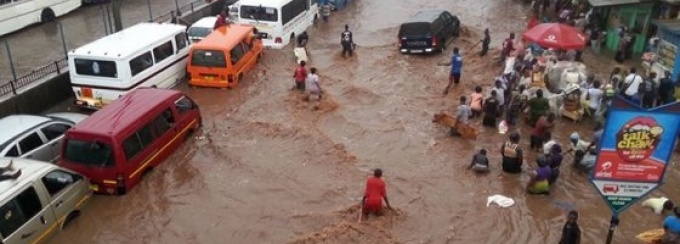
Accra-floods, Nadmo Floods, Article by Daniel Amewor
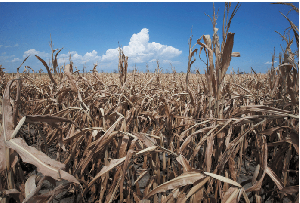
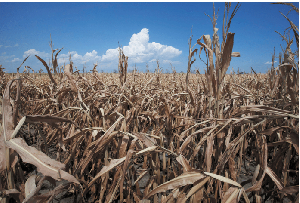
The continuous drought has resulted in a significant decrease in production
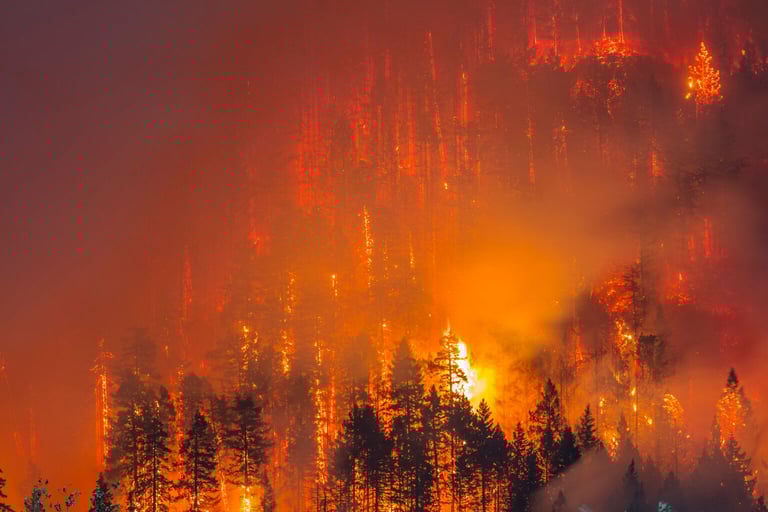
New research from the University of Georgia identified the 14 states in the lower 48 with the highest wildfire risk in the U.S. (Getty Images)
Connect
Join us in making a difference.
Follow
Contact
info@millenniumgreencare.com
+233246902198
© 2025. All rights reserved.